
 by
by 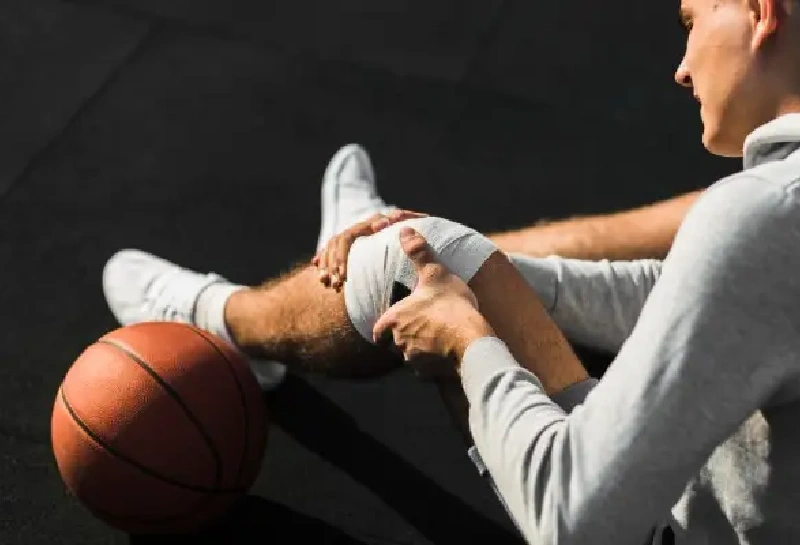
We’ve all been there – one wrong step during a pickup basketball game or pushing too hard in that weekend 10K, and suddenly you’re sidelined with pain. As a physiotherapist, I’ve helped countless athletes and active folks recover from sports injuries, and here’s what I want you to know: most injuries aren’t just bad luck – they’re often preventable and always treatable.
Let’s break down the most common sports injuries I see in my clinic and how we can get you back to doing what you love.
The Usual Suspects: Most Common Sports Injuries
- The Notorious Ankle Sprain
Picture this: You’re coming down from a rebound when your foot lands awkwardly on someone else’s shoe. That sharp pain shooting through your ankle? You’ve just joined the sprain club.
What’s really happening:
- Your ligaments have been stretched beyond their limits
- Blood vessels rupture, causing that telltale swelling and bruising
- Your brain suddenly doesn’t trust that ankle anymore
What works for recovery:
- The first 48 hours: Think “PEACE & LOVE” (Protect, Elevate, Avoid anti-inflammatories, Compress, Educate + Load, Optimism, Vascularization, Exercise)
- Week 2: We’ll start teasing those ligaments back to health with balance exercises (try standing on one leg while brushing your teeth)
- Long game: Sport-specific drills to retrain your nervous system
- Muscle Strains: When Your Hamstring Says “No More”
That sudden sprint for the bus when you haven’t run in months? Your hamstrings remember.
The warning signs you ignored:
- That tight feeling during your warm-up
- The subtle ache you brushed off as “just getting old”
- The way you skipped your usual post-game stretching
Rehab that actually works:
- Early days: Gentle movement is better than complete rest (walking > sitting)
- The sweet spot: Eccentric loading (that’s the lowering phase of movements) rebuilds strength best
- Prevention hack: Dynamic warm-ups beat static stretching before activity
- Tennis Elbow (Even If You’ve Never Held a Racket)
Fun fact: Most of my tennis elbow patients are office workers, not athletes. Repetitive strain doesn’t discriminate.
Why it’s stubborn:
- Tendons heal slowly (they have poor blood supply)
- We keep reinjuring them with daily tasks (hello, mouse clicking)
- Everyone focuses on the elbow when the real issue is often upstream
The breakthrough approach:
- Stop obsessing over the painful spot (the elbow is rarely the root cause)
- Look at your shoulder and wrist mobility
- Retrain your grip (how you hold things matters more than you think)
Why “Just Resting” Is the Worst Advice
Here’s the uncomfortable truth I share with all my patients: complete rest often leads to:
- Longer recovery times
- Compensatory injuries
- Fear of returning to activity
Instead, we use modified activity – finding ways to keep you moving without aggravating the injury. Love running but have shin splints? Let’s try pool running. Basketball player with a knee issue? Maybe cycling maintains your cardio while we rehab.
When to Seek Help (The Red Flags)
Come see me immediately if:
- You heard a “pop” at the time of injury
- You can’t bear weight on the injured area
- The joint looks deformed (possible dislocation)
- Numbness or tingling accompanies the pain
For less severe injuries, give it 3-5 days of sensible self-care. No improvement? That’s your cue to book an appointment.
The Secret Sauce: Prevention
The best athletes I work with aren’t just good at their sport – they’re consistent with:
- Prehab exercises(targeted strengthening for their weak links)
- Recovery routines(sleep, nutrition, stress management)
- Listening to their body(that little niggle today could be tomorrow’s injury)
Final Thought: Your Comeback Starts Now
Injuries are frustrating, but they’re also opportunities – to rebuild smarter, address old imbalances, and often come back stronger than before. The key? Smart rehab guided by someone who understands both the body and your sport.